Property flipping tips 2025 sets the stage for this enthralling narrative, offering readers a glimpse into a story that is rich in detail and brimming with originality from the outset.
This guide delves into the dynamic world of property flipping, revealing essential strategies, market insights, and practical advice needed to turn investments into profits. With the real estate landscape constantly evolving, understanding the nuances of flipping properties in 2025 is crucial for both seasoned investors and newcomers alike.
Property Flipping Strategies
In 2025, successful property flipping requires a blend of market awareness, renovation acumen, and financial savvy. Investors must navigate through various challenges while maximizing profit margins. Understanding effective strategies, avoiding common pitfalls, and accurately estimating renovation costs are key components of a successful flipping endeavor.
Effective Strategies for Successful Property Flipping
A strategic approach to property flipping can significantly enhance profitability. Here are some effective strategies:
- Identify promising neighborhoods with high demand and potential for appreciation.
- Acquire properties below market value to ensure a healthy profit margin.
- Focus on cosmetic renovations that can yield high returns, such as kitchen and bathroom upgrades.
- Utilize data analytics to predict market trends and buyer preferences.
Common Pitfalls to Avoid
Understanding the pitfalls that can derail a property flip is crucial. Common mistakes include:
- Underestimating renovation costs, which can lead to budget overruns.
- Neglecting to conduct thorough market research, resulting in poor investment decisions.
- Overlooking property inspections that might reveal hidden issues.
- Failing to develop an exit strategy, which can create financial strain.
Estimating Renovation Costs Accurately
Accurate cost estimation is vital for maintaining profitability. Consider the following techniques:
- Obtain multiple quotes from contractors to compare pricing.
- Research material costs and labor rates in the local market.
- Include a contingency fund of 10-20% in the budget for unexpected expenses.
Role of Real Estate Agents in Flipping
Real estate agents play a pivotal role in the property flipping process. Their expertise can streamline operations and enhance overall outcomes for investors.
How Real Estate Agents Assist Investors
Real estate agents provide invaluable support through:
- Access to off-market properties that may not be listed publicly.
- Guidance on pricing strategies to attract potential buyers quickly.
- Market analysis to identify trends that can influence buying and selling decisions.
Selecting the Right Agent for Flipping Properties
Choosing the appropriate real estate agent can make a significant difference. Key considerations include:
- Experience with investment properties and flipping specifically.
- Strong negotiation skills that can secure favorable deals.
- A robust network of contractors and other industry professionals.
Negotiation Skills for Successful Flips
Effective negotiation is crucial in property flipping. Investors should focus on:
- Developing a clear negotiation strategy that aligns with their financial goals.
- Understanding the seller’s motivations to tailor offers effectively.
- Practicing active listening to identify opportunities for concessions.
Understanding the Market for Luxury Homes
The luxury real estate market is constantly evolving, and understanding current trends is essential for investors focusing on high-end properties.
Trends in the Luxury Real Estate Market for 2025
As of 2025, several trends are shaping the luxury housing landscape, including:
- Increased demand for homes with unique architectural features and smart home technology.
- Preference for sustainable materials and environmentally friendly designs.
- Growing interest in properties with amenities such as home offices and wellness spaces.
Characteristics of Luxury Homes and Mansions
Luxury homes possess distinct qualities that set them apart, such as:
- Location in exclusive neighborhoods or proximity to essential amenities.
- High-end finishes and custom designs that reflect sophistication.
- Spacious layouts with expansive outdoor areas and private pools.
Examples of Luxury House Designs
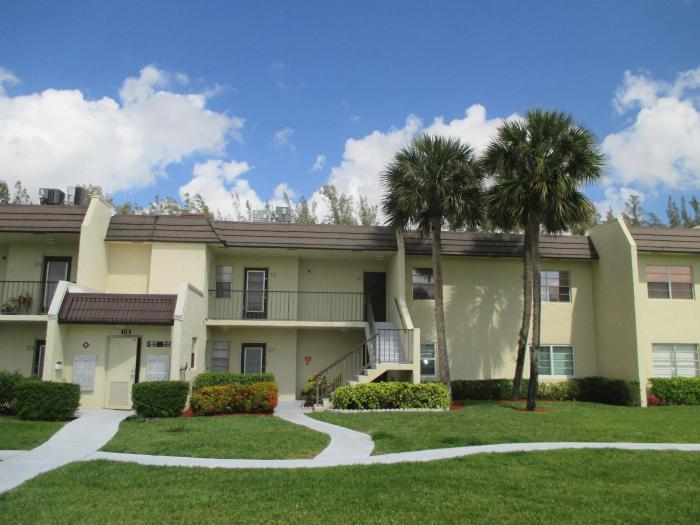
Luxury buyers are often drawn to innovative architectural styles. Notable examples include:
- Modern minimalist designs featuring open floor plans and large glass windows.
- Classic Mediterranean estates with intricate stonework and lush gardens.
- Contemporary eco-friendly homes that incorporate sustainable technologies.
Investing in Commercial Properties
Flipping commercial properties presents unique opportunities and challenges compared to residential flipping.
Advantages of Flipping Commercial Properties
Investors can benefit from commercial property flipping through:
- Higher potential returns due to longer lease terms and tenant stability.
- Ability to add value through improved tenant management and property upgrades.
- Diverse income streams from multiple tenants in multi-tenant buildings.
Strategies for Evaluating Commercial Spaces
Evaluating commercial properties requires a distinct approach. Key strategies include:
- Conducting thorough market analysis to assess demand and rental rates.
- Reviewing zoning laws and property usage restrictions.
- Analyzing the property’s financial performance, including operating expenses and net operating income.
Differences Between Commercial and Residential Property Flipping
Flipping commercial properties differs from residential flipping in several ways:
- Commercial properties often involve complex lease agreements and tenant management.
- Valuation methods differ, with commercial properties typically evaluated based on income potential.
- Investment timelines may vary, with commercial flips taking longer to realize gains.
Residential Property Flipping Tips
Flipping residential properties can be a lucrative investment strategy when approached correctly.
Guide to Flipping Residential Properties
A thorough guide to flipping residential properties includes:
- Conducting comprehensive market research to identify desirable neighborhoods.
- Setting a realistic renovation budget based on property condition and market standards.
- Creating a timeline for renovations to minimize holding costs.
Importance of Location and Neighborhood Analysis
Location is a critical factor in residential flipping. Key aspects to consider include:
- Proximity to schools, parks, and public transportation for family-oriented buyers.
- Neighborhood safety and overall community appeal.
- Future development plans in the area that can enhance property values.
Effective Home Staging Methods
Home staging can significantly impact the sale price of flipped properties. Effective methods include:
- Decluttering and depersonalizing spaces to create a neutral environment.
- Highlighting key features with strategic furniture placement and decor.
- Using professional staging services that enhance visual appeal for potential buyers.
Foreclosures and Their Opportunities
Purchasing foreclosure properties can offer unique opportunities for savvy investors.
Process of Purchasing Foreclosure Properties
Understanding the foreclosure process is essential. Key steps include:
- Researching properties through public records and real estate listings.
- Attending property auctions or negotiating with lenders for pre-foreclosure purchases.
- Conducting thorough inspections to assess the condition of foreclosures.
Potential Risks Associated with Flipping Foreclosures
Investors should be aware of risks, including:
- Hidden repairs that may not be apparent during initial inspections.
- Potential legal issues related to liens or unresolved disputes.
- Market volatility that can impact resale value post-renovation.
Examples of Successful Foreclosure Flips
Successful flips of foreclosure properties can yield substantial profits. Case studies include:
- A three-bedroom home purchased for $150,000 and sold for $220,000 after renovations.
- A distressed property acquired at auction for $100,000, flipped for $180,000 with minimal upgrades.
Green Real Estate Trends
Sustainability is becoming an integral part of property flipping, with increasing demand for eco-friendly renovations.
Importance of Eco-Friendly Renovations
Incorporating sustainable features enhances property appeal. Key points include:
- Reducing utility costs through energy-efficient installations.
- Attracting environmentally conscious buyers who value green living.
- Increasing property value by meeting market demand for sustainable homes.
Tips for Incorporating Sustainable Features
Investors can effectively integrate eco-friendly features by:
- Utilizing sustainable building materials, such as reclaimed wood and low-VOC paints.
- Installing energy-efficient appliances and fixtures that reduce consumption.
- Implementing water-saving landscaping and irrigation systems.
Market Demand for Green Homes in 2025
The trend towards green homes is expected to continue growing in 2025, characterized by:
- Increased buyer preference for homes with sustainable certifications.
- Higher resale values for eco-friendly properties compared to traditional homes.
- Growing awareness of climate change impacts influencing buyer choices.
Marketing Flipped Properties
Effective marketing strategies are essential for selling flipped properties quickly and profitably.
Strategies for Effective Marketing
Marketing flipped properties requires a multi-faceted approach:
- Creating compelling property listings with detailed descriptions and high-quality images.
- Utilizing online platforms and real estate websites to reach a broader audience.
- Hosting open houses and virtual tours to showcase the property.
Leveraging Social Media for Property Selling
Social media platforms can enhance property visibility. Effective tactics include:
- Creating engaging posts that highlight key features and renovations.
- Utilizing targeted ads to reach specific demographics interested in real estate.
- Engaging with potential buyers through live Q&A sessions or interactive content.
Role of Professional Photography in Real Estate Marketing
High-quality photography is crucial for attracting buyers. Essential elements include:
- Using natural light to capture the essence of spaces effectively.
- Highlighting unique architectural features that set the property apart.
- Incorporating virtual staging technologies to enhance visual appeal.
Financing Options for Flipping
Understanding financing options is critical for property flippers to manage cash flow effectively.
Various Financing Options Available
Investors have several financing avenues to explore, including:
- Hard money loans that provide quick access to cash for purchasing properties.
- Traditional mortgages with favorable terms for qualified buyers.
- Partnerships with investors who can provide capital in exchange for equity.
Pros and Cons of Mortgage Refinancing
Mortgage refinancing can be beneficial but comes with potential downsides:
- Pros: Lower interest rates can reduce monthly payments, freeing up cash for renovations.
- Cons: Closing costs and fees can diminish the financial benefits.
Securing Investment Capital for Flips
Investors should consider strategies for securing funds, such as:
- Networking with local real estate investment groups to find potential partners.
- Exploring crowdfunding platforms dedicated to real estate investments.
- Building a strong credit history to improve loan eligibility and terms.
Managing Property After Flipping
Post-flip property management is essential for maintaining value and maximizing returns.
Importance of Property Management Post-Flip
Effective management can preserve property value through:
- Routine maintenance that prevents deterioration and costly repairs.
- Regular inspections to identify and address issues promptly.
- Engaging with tenants to ensure satisfaction and minimize turnover.
Strategies for Maintaining Property Value
Maintaining property value involves proactive measures:
- Implementing landscaping and curb appeal enhancements.
- Ensuring timely repairs and upgrades in line with market standards.
- Managing rental terms to keep occupancy rates high.
Insights on Leasing and Renting Flipped Properties
Investors may choose to lease or rent flipped properties for ongoing income. Considerations include:
- Setting competitive rental rates based on market analysis.
- Attracting reliable tenants through effective marketing strategies.
- Understanding tenant rights and local regulations regarding leasing agreements.
Final Conclusion
In conclusion, mastering property flipping in 2025 requires a strategic approach that encompasses market analysis, effective renovation techniques, and savvy marketing. By applying the tips discussed and staying informed about trends, investors can navigate the complexities of the real estate market and achieve successful outcomes. The journey of flipping properties can be both rewarding and challenging, but with the right tools and mindset, anyone can thrive in this venture.
Expert Answers
What are the key strategies for property flipping in 2025?
Successful property flipping in 2025 involves thorough market research, accurate cost estimation for renovations, and effective marketing strategies to attract buyers.
How important is the role of a real estate agent in flipping?
A real estate agent can provide valuable insights, assist in negotiations, and help identify the right properties to flip, making their role essential in the process.
What should I consider when evaluating a property for flipping?
Consider factors such as location, market demand, potential renovation costs, and the overall condition of the property before making a decision.
Are there specific risks associated with flipping foreclosures?
Yes, flipping foreclosures can involve risks such as hidden repair costs, legal issues, and competition from other investors, so due diligence is essential.
How can I finance my property flipping projects?
Financing options for property flipping include traditional mortgages, hard money loans, and private investors, each with its own advantages and considerations.